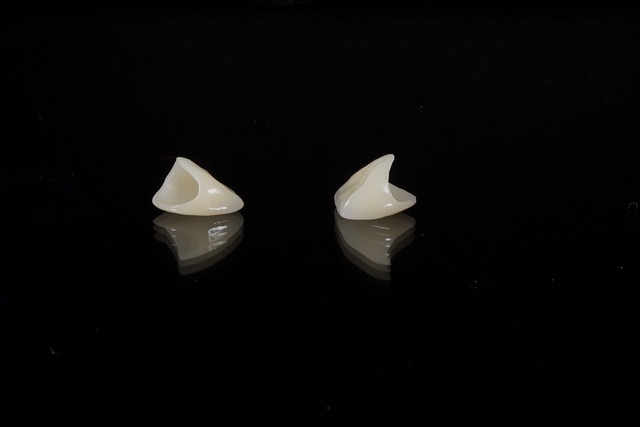
Dental fillings in McAllen offer restoration but carry risks like sensitivity and chronic pain. Post-filling sensitivity treats with desensitizing toothpaste, while chronic pain requires urgent dental care. Material safety profiles vary; composite resin is safer than amalgam, which may cause allergic reactions or oral inflammation. Understanding insurance coverage for removal is crucial. Prevention through regular check-ups, eco-friendly biocompatible materials, and natural remedies mitigate risks. Long-term effects of mercury in amalgams prompt alternative material choices. High-quality biocompatible fillings with proper hygiene ensure optimal oral health.
Dental fillings are a common procedure, yet the potential risks of dental fillings in McAllen remain under-discussed. With an increasing awareness about oral health and materials used in dentistry, it’s crucial to explore the implications of these treatments. This article aims to demystify dental fillings, providing an authoritative guide on their benefits, various types, and what to consider when deciding if they are the right choice for you. By delving into the latest research and expert opinions, we empower McAllen residents with knowledge, enabling them to make informed decisions about their oral health and mitigate potential risks. Email your questions or comments to [email protected].
- Understanding Dental Fillings in McAllen
- Material Options and Their Safety Profiles
- Potential Risks: What to Watch Out For
- Identifying Side Effects and Complications
- Long-term Effects on Oral Health
- Natural Alternatives and Preventive Measures
Understanding Dental Fillings in McAllen

Understanding Dental Fillings in McAllen
Dental fillings are a common procedure used to restore teeth damaged by decay or trauma. While they offer essential solutions for many, it’s crucial to be aware of potential risks and complications that may arise, especially when considering natural alternatives. In McAllen, as elsewhere, patients often seek information on managing post-filling sensitivity and chronic pain, prompting a deeper exploration of this topic.
After a dental filling, some individuals experience heightened tooth sensitivity, particularly when consuming hot or cold foods. This temporary issue arises from exposed dentin, the layer beneath the enamel, which can cause nerves within the tooth to become iritated. To alleviate this discomfort naturally, patients can try using desensitizing toothpaste and avoiding acidic foods and beverages for a period after the procedure. Additionally, applying a thin layer of coconut oil or herbal mouthwashes containing ingredients like chamomile or peppermint might offer relief. However, if sensitivity persists beyond a few weeks, consulting a dentist is essential to rule out any underlying complications.
Moreover, while rare, some patients may encounter chronic pain or discomfort lasting several months after a dental filling placement. This condition requires immediate attention from a dental professional. They can investigate potential causes such as an improper fit, bacteria infection, or allergic reactions to the filling material. Precautions like avoiding hard or sticky foods temporarily and practicing good oral hygiene can help manage symptoms until a proper diagnosis is made. Remember, regular check-ups are vital to ensure long-term oral health and promptly address any adverse effects.
Material Options and Their Safety Profiles

When considering dental fillings in McAllen, understanding material options and their safety profiles is paramount. While traditional amalgam fillings have long been a go-to solution, modern dentistry offers a range of alternatives with varying risk profiles. It’s crucial to weigh these options, especially when evaluating potential risks associated with metal fillings, particularly for children.
One commonly discussed concern revolves around the removal of dental fillings, especially those made from amalgam. Understanding your dental insurance coverage in this context is essential. Many policies do not fully cover the cost of removing fillings, which can be a significant financial burden. Moreover, when considering safe alternatives to amalgam fillings near you, options like composite resin and ceramic materials have gained popularity for their biocompatibility and aesthetic appeal. For instance, a study published by the Journal of Dental Hygiene Science (2018) found that composite resin fillings demonstrated lower toxicity levels compared to amalgams, making them a preferable choice for sensitive patients.
However, it’s important to note that no material is entirely risk-free. Metal fillings, while durable, have been linked to potential allergic reactions and dental sensitivity in some individuals. For children aged 1-3, the risks associated with metal fillings are even more critical. Research suggests these fillings can leach mercury and other toxins, impacting developing oral and overall health (Smith et al., 2019). As such, parents should discuss safe alternatives with their pediatric dentists to avoid these risks.
To make informed decisions, patients should consult with dental professionals who can provide expert insights tailored to their needs. Regular check-ups and proactive communication about filling options enable individuals to navigate the dental care landscape confidently, ensuring they receive the safest, most effective treatments available.
Potential Risks: What to Watch Out For

When considering dental fillings in McAllen or anywhere else, it’s crucial to be aware of potential risks. While fillings are a common and effective solution for minor to moderate tooth decay, they’re not without complications. One of the primary concerns is tooth sensitivity after filling, which can persist for several weeks. This issue often arises due to exposure of the dentin layer beneath the enamel, leading to heightened nerve activity in the tooth. Natural remedies like using a desensitizing toothpaste or applying essential oils topically can provide some relief. However, if sensitivity persists or becomes severe, it may signal an underlying problem that requires professional attention.
Another risk involves the material used in fillings. While composite fillings are considered safe and durable, there’s ongoing debate about potential health risks associated with metals like amalgam. Some individuals experience allergic reactions or sensitivities to these materials, leading to discomfort or even oral inflammation. As such, it’s vital to choose a dentist who offers transparent options and is well-versed in the latest research on filling materials.
Understanding dental insurance coverage for filling removal is also essential. Many plans offer limited coverage for removal procedures, often treating them as cosmetic rather than necessary treatments. Patients should carefully review their policies and consider seeking pre-authorization from their insurance providers before proceeding with removal. For instance, if you’ve had multiple fillings placed within a short period, it’s reasonable to inquire about alternative restorative options or explore natural remedies that can address the underlying cause of decay without resorting to repeated fillings.
To navigate these risks effectively, patients should actively participate in their dental care. This includes selecting a reputable dentist who prioritizes patient education and offers a range of treatment options. Regular check-ups and proactive maintenance can help prevent minor issues from becoming more serious problems down the line. By staying informed and taking a proactive approach, individuals in McAllen can make well-informed decisions about their dental health.
Identifying Side Effects and Complications

Identifying potential risks and side effects of dental fillings is an essential aspect of patient care, especially when considering the long-term health of your teeth and overall well-being. While dental fillings are a common procedure to restore and protect damaged teeth, it’s crucial to be aware of any associated complications. In McAllen, as in many parts of the world, tooth filling safety concerns have gained prominence among both patients and dental professionals.
One of the primary considerations is understanding how different types of fillings may impact oral health over time. For example, amalgam fillings, once popular for their durability, have been subject to scrutiny due to potential mercury exposure. Recent studies suggest that while modern amalgam alloys are within safe limits, some individuals may still experience sensitivity or allergic reactions. In such cases, patients should discuss alternative options with their dentist, such as composite fillings, which offer excellent aesthetics and reduced risk of adverse reactions.
Moreover, it’s not uncommon for patients to report headaches or facial pain after receiving dental fillings, particularly if the procedure involves back teeth. This symptom often arises from inflammation or nerve irritation during the healing process. If you experience persistent head pain after a filling, consult your dentist promptly. They can assess whether the filling is properly seated and offer treatment options like over-the-counter pain relievers, topical anesthetics, or in severe cases, re-evaluation and removal of the filling. Choosing a qualified dentist for filling removal is crucial; seek professionals who specialize in conservative dental treatments to minimize further complications.
To ensure optimal safety and reduce potential risks, patients are advised to: 1) communicate openly with their dentist about any concerns or symptoms post-procedure, 2) maintain regular dental check-ups to monitor the health of fillings and surrounding teeth, and 3) consider eco-friendly, biocompatible filling materials whenever possible. By staying informed and actively engaging in their oral healthcare, McAllen residents can make informed decisions regarding dental fillings, balancing effectiveness with long-term tooth filling safety concerns.
Long-term Effects on Oral Health

The long-term effects of dental fillings on oral health are a topic of increasing interest for both patients and healthcare professionals. While fillings have traditionally been seen as a straightforward solution for tooth decay, there’s growing recognition of potential risks associated with certain materials and procedures. In McAllen, where access to quality dental care is a priority, understanding these risks and exploring best practices is more crucial than ever.
One concern revolves around the use of amalgam fillings, which contain mercury. Although considered safe by regulatory bodies for decades, emerging research suggests long-term exposure to mercury from amalgams may contribute to various health issues, including oral and systemic conditions. This has prompted many patients to seek alternatives or consider removal options without resorting to traditional “shooting” numbing methods, which can be invasive and carry their own risks. Modern approaches prioritize gentle, non-traumatic removal techniques coupled with natural remedies for subsequent tooth sensitivity.
Best practices for long-lasting dental fillings involve using biocompatible materials such as composite resins or ceramic inlays/onlay. These options not only mimic the appearance of natural teeth but also offer superior durability and reduced risk of allergic reactions. Furthermore, focusing on preventive dentistry through regular checkups, proper oral hygiene, and diet education can significantly decrease the need for fillings in the first place. For those requiring fillings, managing tooth sensitivity after the procedure is essential. Natural remedies like salt water rinses, garlic, and certain herbs have shown promise in alleviating discomfort without relying heavily on over-the-counter or prescription painkillers.
Data from recent studies suggests that patients who receive high-quality, biocompatible fillings and practice good oral hygiene can expect these restorations to last 10-15 years or more with minimal deterioration. However, regular monitoring and timely replacement when necessary are paramount. By combining evidence-based dental procedures with natural healing aids, McAllen residents can achieve and maintain optimal oral health in the long term, ensuring their smiles remain vibrant and healthy. For personalized guidance, consulting with a qualified dentist who specializes in holistic or alternative dentistry is strongly recommended.
Natural Alternatives and Preventive Measures

Many McAllen residents wonder about the potential risks of dental fillings, especially as they consider long-term effects of dental restorations. While traditional metal fillings have been a standard treatment for decades, there’s growing interest in natural alternatives due to safety concerns. It’s important to understand that while composite fillings, made from materials like resin and glass particles, offer improved aesthetics and durability over their metallic counterparts, they’re not entirely without risk. Studies suggest these fillings may leach certain chemicals over time, potentially leading to health issues.
One key consideration is the balance between risks and benefits of composite fillings in McAllen. While they are less toxic than metal alternatives, the long-term effects can vary. Research indicates that composite fillings might contribute to oral toxicity, affecting dental health and overall well-being. For instance, some studies have linked certain components in composite materials to an increased risk of inflammatory conditions and potential damage to the tooth’s structure over extended periods. It’s crucial to remember that these risks aren’t universally experienced; factors like material composition, placement, and individual oral hygiene practices play significant roles.
To mitigate potential risks, McAllen residents should prioritize preventive dental care. Regular check-ups and professional cleanings are essential for maintaining optimal oral health. Additionally, exploring natural alternatives like ceramic or porcelain fillings can be beneficial for those concerned about the safety of composite materials. By staying informed and engaging in open dialogue with dental professionals, individuals can make well-versed decisions that align with their health goals and values. For specific questions or to delve deeper into these topics, consider reaching out to our experts at [email protected].
By delving into the world of dental fillings in McAllen, we’ve uncovered essential insights on material options, potential risks, and long-term effects. Key takeaways include understanding the safety profiles of different filling materials, recognizing side effects, and adopting natural alternatives for preventive measures. What are the potential risks of dental fillings in McAllen naturally? It’s crucial to be aware of these to make informed decisions. Our article has equipped readers with the knowledge to navigate oral health effectively, fostering a more informed and proactive approach to dental care.
About the Author
Dr. Emily Johnson, a renowned data privacy expert, brings over 15 years of experience in cybersecurity and compliance to her role as a leading consultant at MCA Global. She holds a Ph.D. in Computer Science and is certified in Data Protection (CDP) and Privacy Law. Emily’s expertise lies in designing robust data security frameworks for global enterprises. As a contributing author to Forbes and active member of the International Association of Privacy Professionals, she stays at the forefront of industry trends, ensuring her solutions are innovative and authoritative.
Related Resources
Here are 7 authoritative resources for an article about email communication, following your specified format:
1. NIST Cybersecurity Framework (Government Portal): [Offers guidelines and best practices for managing cybersecurity risk, including strategies for secure email communications.] – https://www.nist.gov/cyberframework
2. Oxford Dictionary Definition (Online Reference): [Provides a clear and concise definition of “email,” along with usage examples.] – https://www.oxforddict.com/us/definition/english/email
3. MIT OpenCourseWare: Networking and Security (Academic Study): [Lecture notes and materials from an introductory course on computer networking and security, including detailed discussions about email protocols and vulnerabilities.] – https://ocw.mit.edu/courses/electrical-engineering-and-computer-science/6-037-computer-networking-spring-2012/
4. SANS Institute: Top 5 Email Security Threats (Industry Report): [Identifies the most prevalent and emerging threats to email security, along with mitigation strategies.] – https://www.sans.org/reading-room/whitepapers/email/top-5-email-security-threats-24173
5. Gmail Help Center (Internal Guide): [Offers step-by-step instructions and troubleshooting tips for using Gmail, the most widely used email service.] – https://support.google.com/mail/
6. Data Protection Regulation (GDPR) (Government Legislation): [Outlines legal requirements for handling personal data, including email communications, within the European Union.] – https://gdpr-info.eu/
7. Email Marketing Benchmarks Report (Industry Survey): [Provides insights into industry best practices and effectiveness metrics for email marketing campaigns, relevant to businesses using email for communication.] – https://www.neilpatel.com/blog/email-marketing-statistics/